
Octopath Traveler 0: Can Square Enix’s Ambitious Prequel Truly Live Up to the Franchise’s Acclaimed HD-2D Legacy?
Popular Now
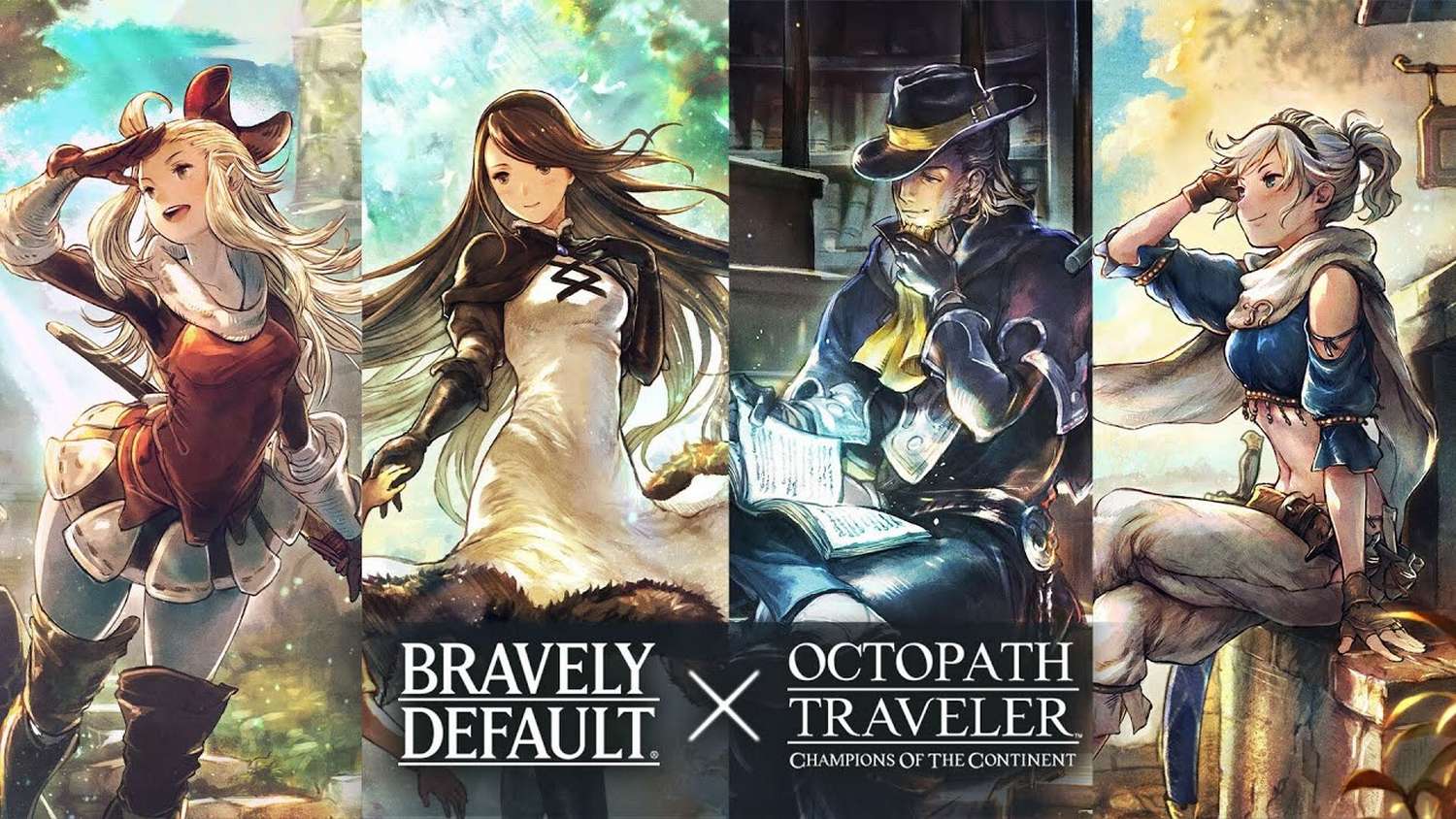 The highly anticipated JRPG, Octopath Traveler 0, is slated for a massive multi-platform launch on December 4, 2025, arriving just in time for the crucial holiday gaming market. Developed by Square Enix, this new installment faces an immediate and immense challenge: living up to the acclaimed legacy of its predecessors, which have collectively surpassed 5 million units sold worldwide. Positioned as a console-and-PC retelling and expansion of the mobile prequel, Champions of the Continent (CotC), Octopath Traveler 0 (OT0) introduces radical new mechanics—including town-building and a massive 8-character combat system—that threaten to fundamentally shift the identity of the beloved HD-2D franchise.
The “0” designation signifies not just a prequel timeline set in Orsterra, but a reset, offering a fully customizable protagonist for the first time. However, the game must navigate the tricky waters of nostalgia marketing while justifying its existence as a full-price, AAA Video Game experience, transforming content originally designed for a live service/gacha model into a compelling single-player epic. This analysis dissects the key changes and assesses the risks that could either elevate the series or undermine its core appeal.
Prequel Expectations and Narrative Risks: The Burden of Canon
The Octopath Traveler series is renowned for its fragmented, character-driven storytelling, where eight unique narratives often run in parallel, contributing to a richly detailed world. OT0, however, is adapting the story of Champions of the Continent (CotC), which features a more singular, darker, and more connected main narrative focused on the destruction of the protagonist’s hometown, Wishvale, and a quest for revenge against three “Masters” of Power, Wealth, and Fame.
The Challenge of the Protagonist
- Customization vs. Identity: While the ability to create a custom protagonist is a major shift intended to welcome new players (the meaning of the “0”), it dilutes the franchise’s signature strength: the meticulously defined personality and individual arcs of the eight starting travelers. The JRPG audience often values a strong, pre-defined lead; OT0 must ensure the new main character is not overshadowed by the returning Octopath I cast, who are confirmed to make appearances.
- The 100-Hour Story: Developers claim the main story alone spans about 100 hours, incorporating roughly 2.5 years’ worth of content from the original mobile title. While this promises exceptional longevity in gaming, there is a risk of bloat. Condensing years of gacha-game episodic content into a single console experience must be handled with precise editorial control to maintain narrative pacing and prevent player fatigue.
HD-2D Innovation or Asset Reuse: The Visual Dilemma
The HD-2D Gaming visual style—a masterful blend of 16-bit sprites and modern 3D environments—is the aesthetic foundation of the franchise, successfully leveraged across multiple Square Enix titles. However, the origin of OT0’s content creates a visual and technical controversy.
- The Mobile Constraint: OT0 is fundamentally built upon assets and design principles from a 2020 mobile game (CotC). Early previews and the available demo have already led to community complaints about the visuals feeling “a step down” from Octopath Traveler II, with more muted colors and less polished environments. While the game features new art (like the world map by cartographer Francesca Baerald) and a more “realistic” tone, the underlying older assets may fail to meet the high graphic fidelity expectations set by Octopath II.
- Technical Performance: Reports of frame rate hiccups even on the newer Nintendo Switch 2 and PlayStation 5 highlight optimization challenges, possibly due to the significantly increased demands of the new 8-character combat and the complex town-building system.
Success relies heavily on whether the visual experience can overcome the perception of being a polished port rather than a natively developed console entry, a key metric for JRPG quality assurance.
The New Mechanics: The Town and the Eight-Man Party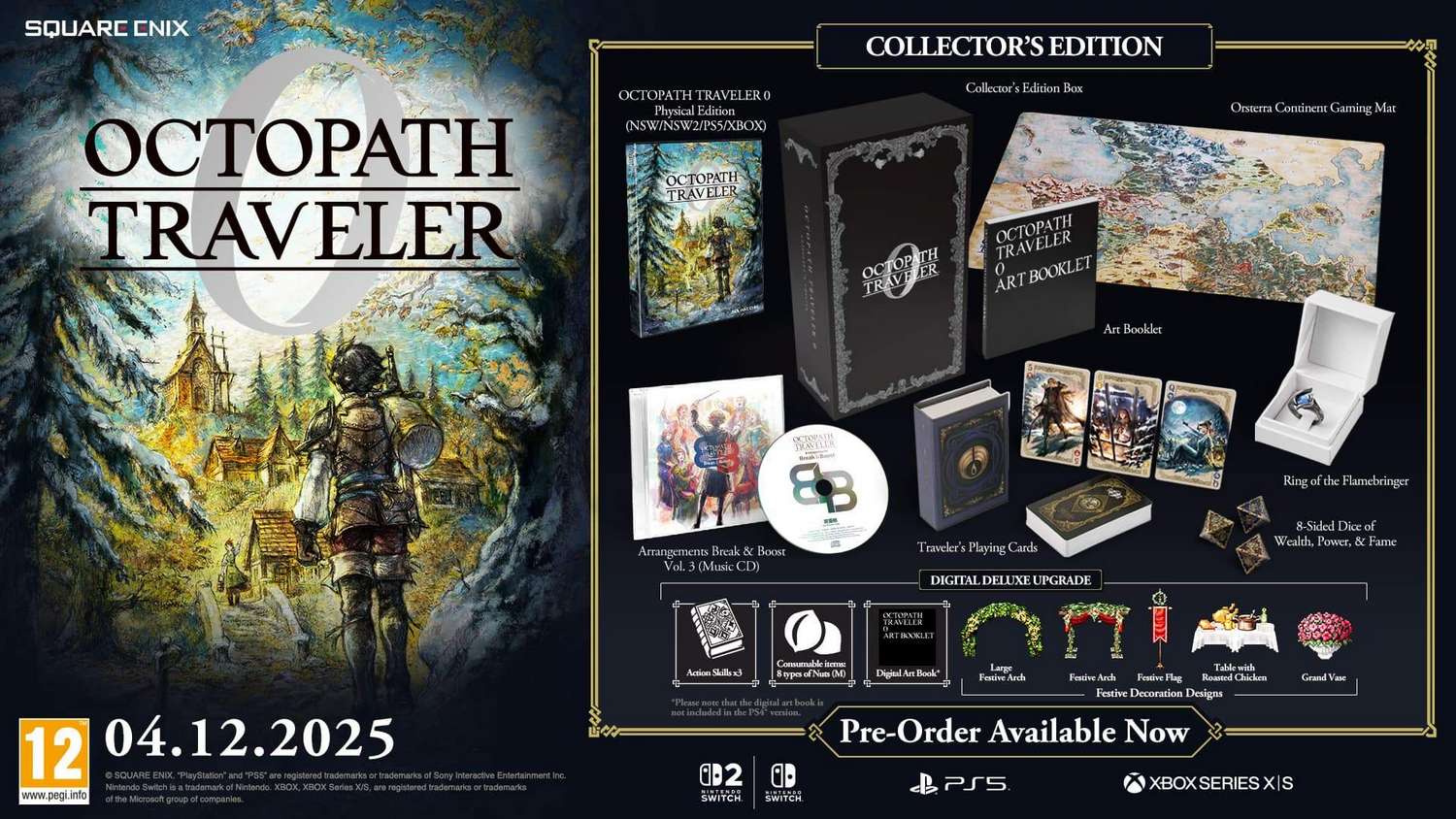
The boldest changes in Octopath Traveler 0 lie in its gameplay systems, representing a major divergence from the previous console entries. These additions could either add strategic depth or introduce unwanted complexity.
The Town-Building System (Wishvale Restoration)
The protagonist’s core quest is the physical and social restoration of their destroyed hometown, Wishvale. This involves a city-builder element where players gather resources, construct facilities (like Training Grounds and Hubs), and assign recruited companions (over 30 total!) to roles based on their skills.
- Integration Risk: If the town-building is merely a required resource sink, it will detract from the journey. If successfully integrated—where the town’s development unlocks key combat skills, story missions, and deeper relationship-building (Amity levels) with party members—it could provide the persistent sense of purpose the first two games sometimes lacked.
- Hardware Divide: The revelation that the number of placeable buildings is restricted by console generation (500 for high-end systems, 250 for the original Switch) introduces an unusual and potentially controversial gameplay discrepancy based on hardware, which is rare in a non-multiplayer title and risks alienating the dedicated original Switch fanbase.
The 8-Character Combat System
Adapted from CotC, battles feature eight party members: four in the Vanguard (front row) and four in the Rearguard (back row). Players can strategically swap between the rows each turn, with the back row providing passive benefits or recovering HP/SP. New features like Action Skills (interchangeable abilities) and Ultimate Techniques (powerful, multi-level attacks) further complicate the already strategic Break and Boost system.
While an 8-character party provides unparalleled strategic gameplay depth, it raises concerns about battle pacing. The signature of the Octopath combat system is its rhythmic, fast-paced nature; doubling the party size risks slowing down encounters, potentially making random battles a tedious affair. The success of this change will be measured by the speed of the animation and the efficacy of the new back-row management system.
Conclusion: The Stakes for the HD-2D Franchise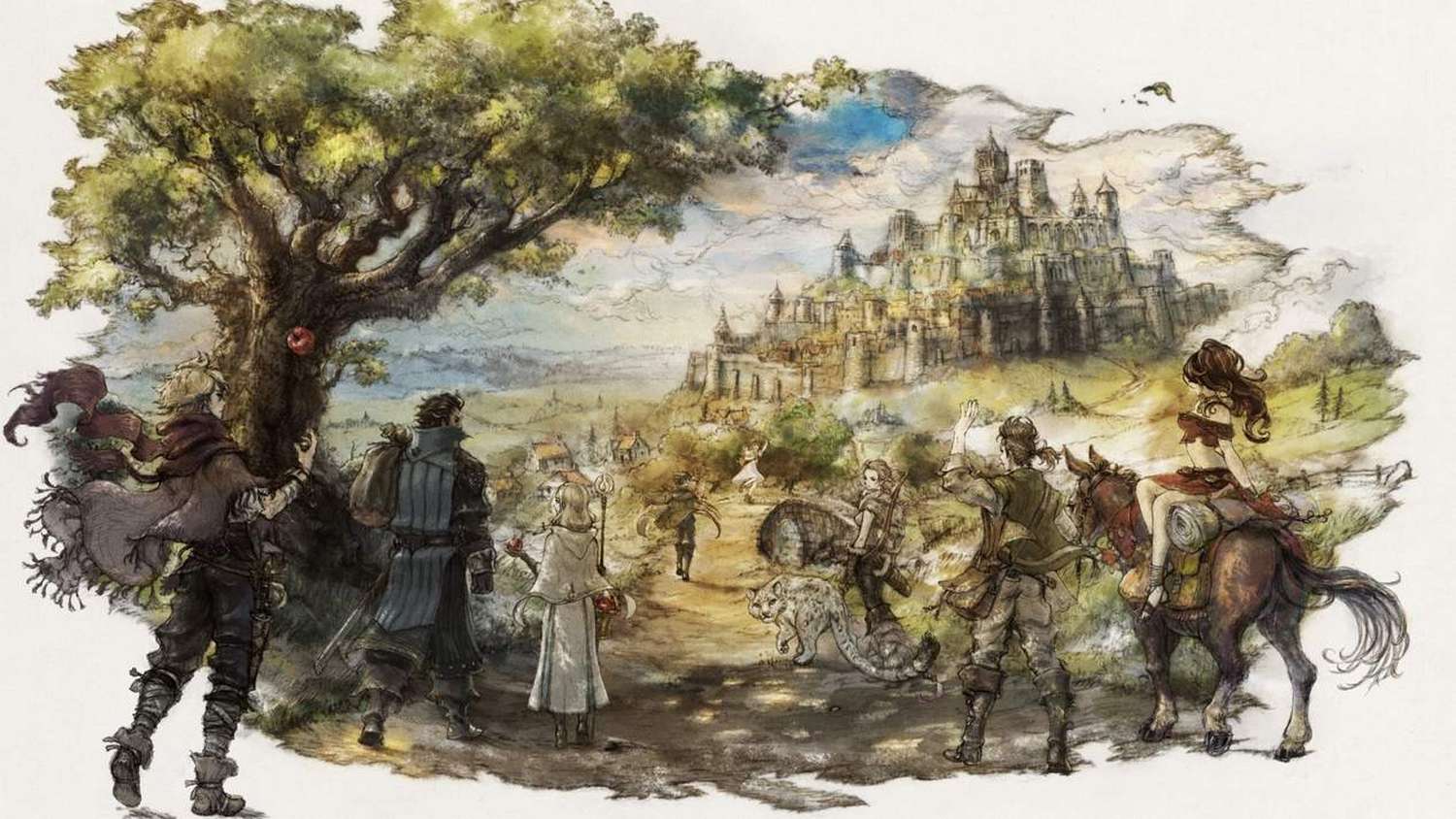
With a launch price of $49.99 for the standard edition and a massive pre-order campaign, Octopath Traveler 0 represents a significant game development investment from Square Enix. The company is not only launching a prequel but also attempting to consolidate and refine its mobile universe into a definitive console experience.
The potential for greatness lies in the sheer volume of content, the deep new strategic layers of combat, and the compelling loop of rebuilding Wishvale. However, the risk is equally high: compromised visual fidelity, narrative bloat from the mobile conversion, and an over-engineered combat system could dilute the elegant simplicity that made the first two games global hits. Octopath Traveler 0 is not just a new entry; it is a critical test of whether the HD-2D style can successfully evolve its core gameplay without sacrificing the focused, intimate character drama that established its acclaimed legacy.