
The Next-Gen Waiting Game: Why the “RAM Apocalypse” Could Stall the PS6 and Next Xbox
Popular Now
The gaming industry is currently standing at a precipice. For years, the traditional console cycle suggested that by 2027 or 2028, we would be ushering in the PlayStation 6 and the next-generation Xbox.1 However, as we move through late 2025, a new and formidable obstacle has emerged: a global memory crisis. This isn’t just a minor supply chain hiccup; it is being described by industry insiders as a “RAM Apocalypse,” driven by the insatiable hunger of the Artificial Intelligence (AI) sector.2
For gamers eagerly anticipating the next leap in fidelity and performance, the message is clear: do not hold your breath. The economic reality of manufacturing high-end hardware has shifted dramatically, and the consequences could redefine the next decade of interactive entertainment.
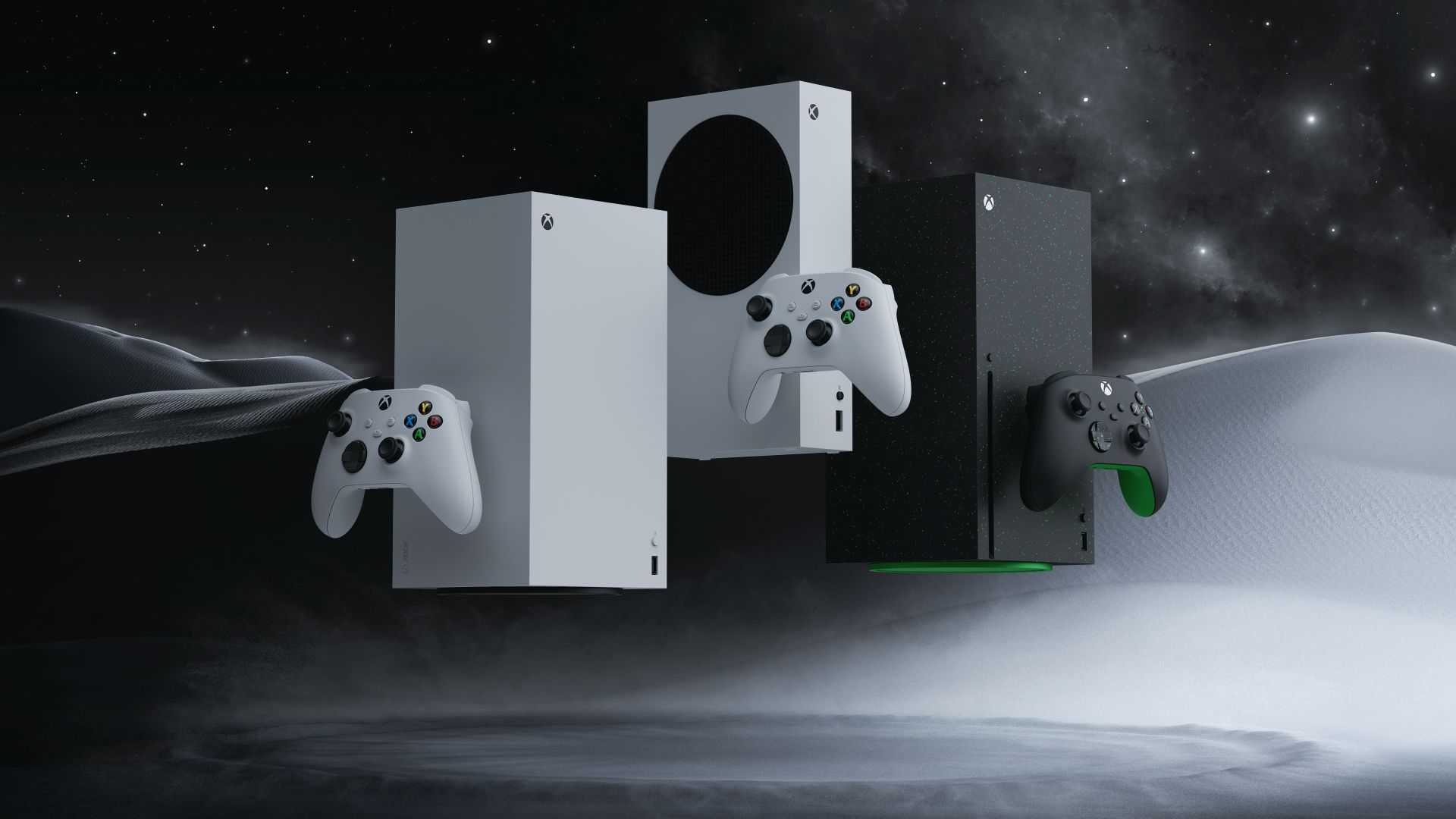
1. The AI Boom: A Direct Threat to Gaming Hardware
The primary catalyst for this crisis is the unprecedented expansion of AI data centers.3 Companies like NVIDIA, Microsoft, and Google are consuming massive quantities of high-bandwidth memory (HBM) and DDR5/DDR6 DRAM to power their LLMs (Large Language Models).4
According to recent market analysis from IDC and TechWire Asia, memory manufacturers like Samsung, SK Hynix, and Micron are reallocating their production lines away from consumer-grade electronics to satisfy high-margin AI contracts.5
-
Production Imbalance: Producing 1 bit of AI-focused HBM memory can take up to three times the wafer capacity of standard DDR5 memory.6
-
Prioritization: With AI companies willing to pay premium prices, console manufacturers—who operate on razor-thin hardware margins—are being pushed to the back of the line.7
2. Potential Delays: Pushing the PS6 and Next Xbox to 2028 and Beyond
Originally, internal roadmaps for Sony and Microsoft pointed toward a 2027-2028 launch window.8 However, reports from Insider Gaming suggest that high-level discussions are now taking place regarding a significant delay.
If memory prices remain at their current “extortionate” levels, launching a console with the necessary 24GB or 32GB of high-speed RAM required for a true “next-gen” leap would result in a retail price exceeding $700 to $800. To avoid a repeat of the PS3’s disastrous launch pricing, manufacturers may choose to wait until memory fabrication capacity increases—a process that experts at Ampere Analysis predict won’t stabilize until late 2027 or 2028.
Critical Factors Influencing the Next-Gen Timeline
| Factor | Impact on Release Date | Reasoning |
| RAM Pricing | High Delay Risk | Memory modules have seen price increases of several hundred percent in late 2025. |
| The “GTA 6” Effect | Strategic Delay | Analysts suggest Sony and Microsoft may ride the GTA 6 wave on PS5/Series X rather than launching new hardware simultaneously. |
| GPU Production | Moderate Delay | Reports indicate NVIDIA may scale back consumer GPU production by 40% in 2026 due to component scarcity. |
| Cross-Gen Viability | Low Delay Risk | Modern engines like Unreal Engine 5 allow games to scale across generations more easily, reducing the “need” for immediate hardware. |
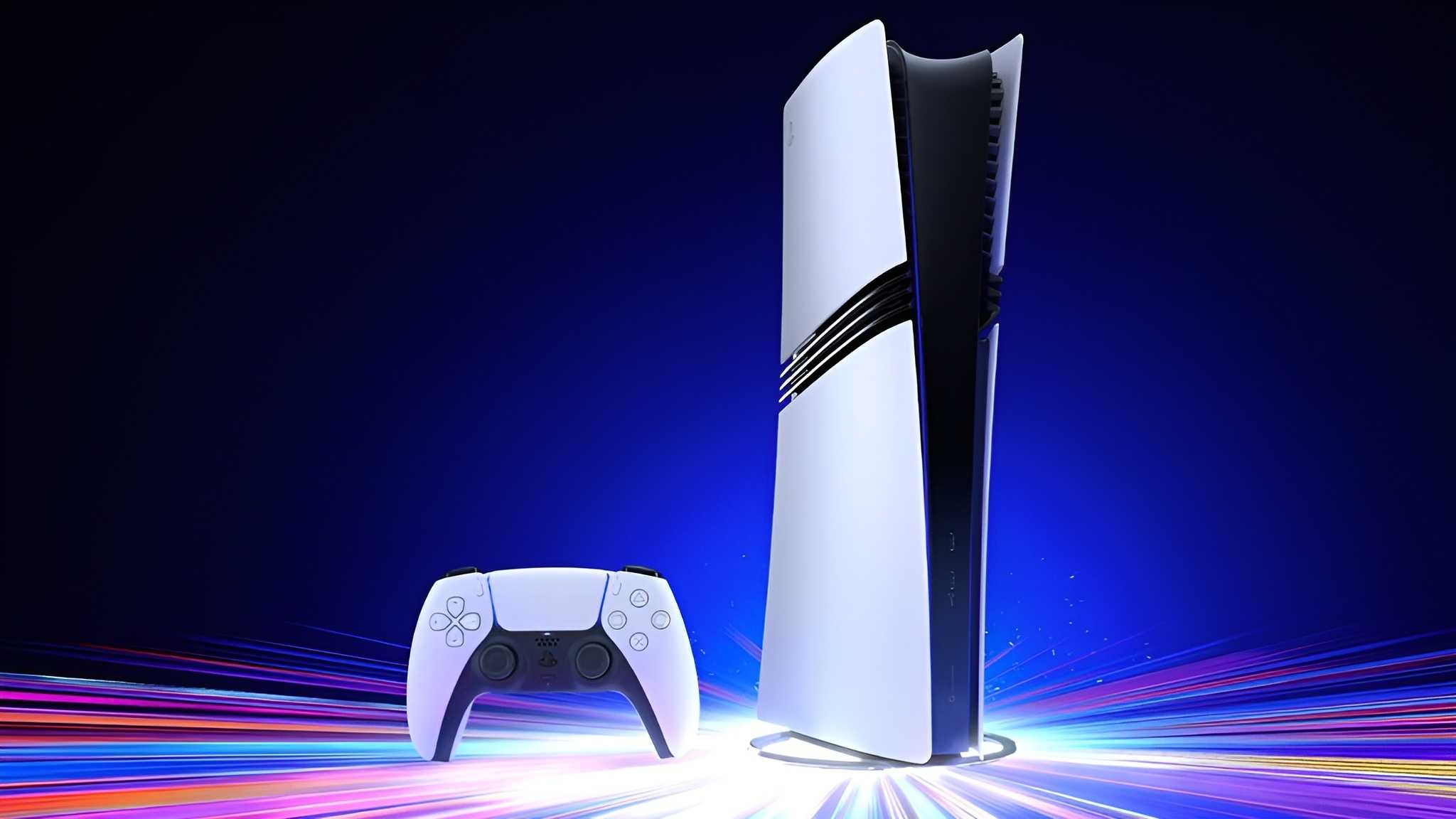
3. The Price Hike Ripple Effect: Current Consoles Aren’t Safe
The RAM crisis isn’t just affecting future hardware; it is already impacting the consoles currently on your shelf. In a rare move for the industry, we have seen price increases for mid-cycle hardware.
-
Xbox Series X: Recent reports highlight price adjustments in several territories, often blamed on “tariffs” but exacerbated by the rising Bill of Materials (BoM).9
-
Nintendo Switch 2: Even the much-anticipated successor to the Switch has reportedly faced a 41% jump in DRAM costs, potentially pushing its launch price higher than the original $300 – $400 targets.10
4. Strategic Shifts: The Rise of the “Pro” and Handhelds
With the PS6 potentially delayed, Sony and Microsoft are likely to lean harder into their “mid-gen” refreshes. The PlayStation 5 Pro, equipped with PSSR (PlayStation Spectral Super Resolution), is being positioned as a bridge to the future. By using AI-driven upscaling, Sony can deliver “next-gen” visuals without needing the massive raw memory overhead that a true PS6 would require.
Furthermore, the delay of home consoles has opened a window for the “PC-Console” hybrid market. Devices like the Steam Deck and the rumored Valve Steam Machine are becoming more attractive to consumers who are tired of waiting for the traditional 7-year console cycle to reset.
Conclusion: A Decade of Iteration Over Innovation?
The “RAM Crisis” of 2025 marks a turning point in gaming history. For the first time, the trajectory of home consoles is being dictated not by the demands of gamers, but by the resource requirements of global AI infrastructure.11 While the PS6 and the next Xbox will eventually arrive, they will likely do so in a market where $600+ is the new standard entry point, and “Pro” models are the primary way to experience cutting-edge tech.
For now, the best strategy for gamers is to embrace the current generation. With titles like Grand Theft Auto VI still on the horizon for the PS5 and Xbox Series X, there is plenty of life left in our current machines—even if the “future” is taking a little longer to arrive.